What Is The Role Of Core Stability In Preventing Lower Back Pain?
 Hey, friends! If you've ever struggled with lower back pain, you know how frustrating and limiting it can be. But fear not - there are ways to reduce and prevent lower back pain through core stability exercises! Here are five exercises that will help you strengthen your core and, in turn, keep your lower back healthy and pain-free:
1. Plank
The plank is a classic exercise that targets the entire core, including the muscles that support the lower back. To do a plank, start in a push-up position with your hands slightly wider than shoulder-width apart. Keep your body in a straight line from head to heels, engaging your abs and glutes. Hold the position for 30 seconds to start, and work your way up to longer holds as you get stronger.
2. Bird Dog
The bird dog exercise strengthens the core and improves balance and coordination. Start on your hands and knees, with your hands under your shoulders and your knees under your hips. Lift your right arm and left leg straight out, keeping your arm and leg parallel to the ground. Hold for a few seconds, then switch sides. Repeat for 10-15 reps on each side.
3. Dead Bug
The dead bug is a great exercise for activating the deep core muscles that support the lower back. Start by lying on your back with your arms extended toward the ceiling and your knees bent at a 90-degree angle. Slowly lower your right arm and left leg toward the ground while keeping your lower back pressed firmly against the floor. Return to the starting position, then switch sides. Repeat for 10-15 reps on each side.
4. Side Plank
The side plank targets the obliques, which are important for spine stability and movement. Start on your side with your elbow directly under your shoulder and your legs straight. Engage your core and lift your hips off the ground, creating a straight line from head to heels. Hold the position for 30 seconds to start, and work your way up to longer holds as you get stronger. Repeat on the other side.
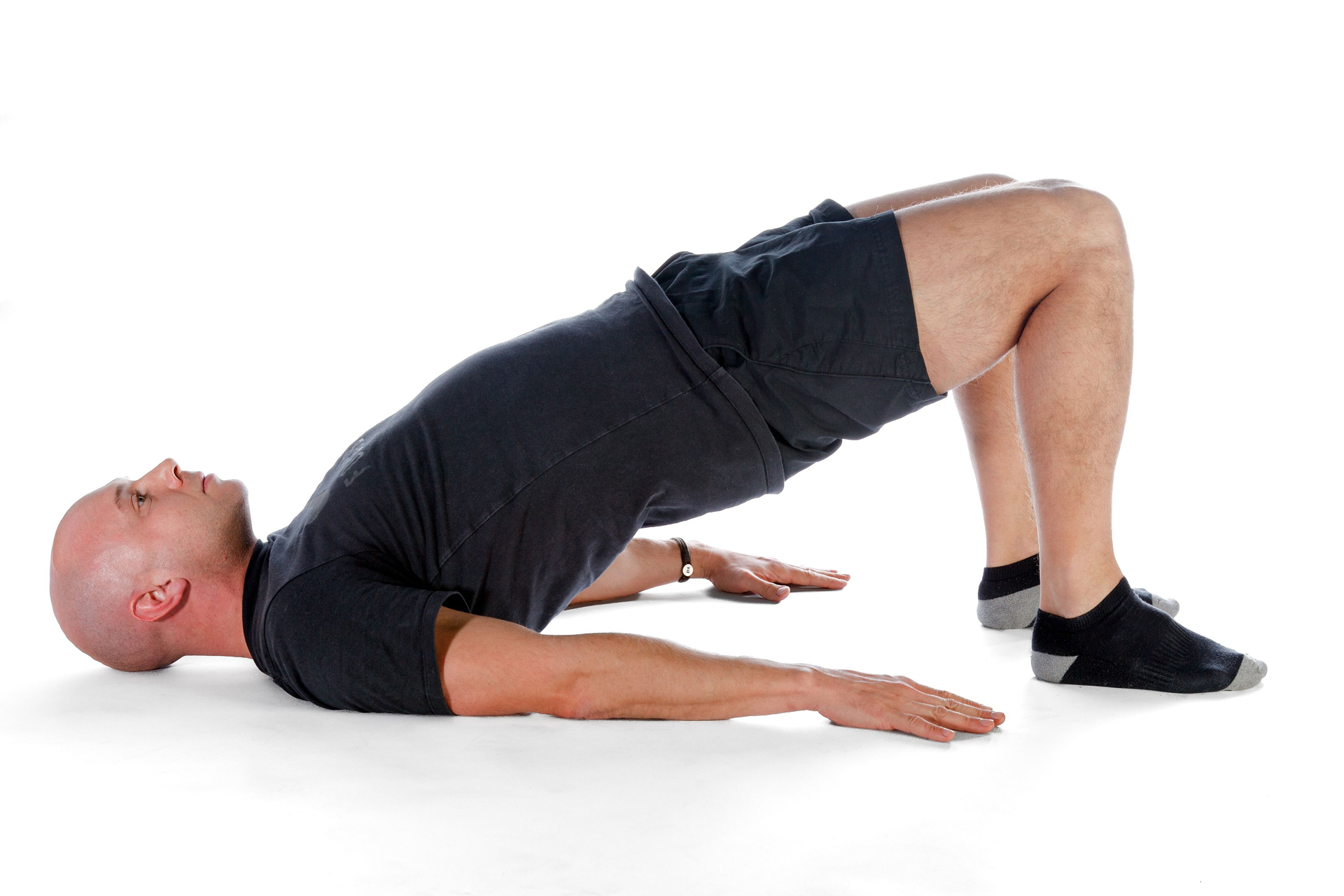
5. Glute Bridge
The glute bridge targets the glutes and hamstrings, which support the lower back. Start by lying on your back with your knees bent and your feet flat on the ground. Engage your glutes and lift your hips off the ground until your body forms a straight line from shoulders to knees. Hold for a few seconds, then lower your hips back down. Repeat for 10-15 reps.
Now that you have some exercises to get started with, here are some tips to get the most out of your core stability training:
Tips
- Start slowly and gradually increase the intensity and duration of your exercises.
- Focus on proper form and alignment - if you're not sure, work with a trainer or physical therapist.
- Don't neglect other aspects of fitness, such as cardiovascular exercise and stretching.
- Be patient - building core strength takes time and consistency.
Finally, here are some common questions about core stability and lower back pain:
FAQ
Q: Will doing core stability exercises eliminate my lower back pain?
A: Core stability exercises can help reduce and prevent lower back pain, but they may not be a cure-all. It's important to address the root causes of your pain, which may include poor posture, muscle imbalances, or other underlying conditions.
Q: Should I do core stability exercises every day?
A: It's generally safe to do core stability exercises daily, as long as you're not experiencing any pain or discomfort. However, it's also important to give your muscles time to rest and recover, so consider alternating days or focusing on different exercises on different days.
Q: Can I do these exercises at home or do I need special equipment?
A: All of the exercises listed here can be done at home with little to no equipment. However, it may be helpful to have a mat or towel for cushioning, and you may want to invest in a stability ball or resistance band for added variety and challenge.
So there you have it! With a little bit of effort and consistency, these core stability exercises can go a long way in preventing and reducing lower back pain. Give them a try and see how much stronger and healthier your back feels!

Post a Comment for "What Is The Role Of Core Stability In Preventing Lower Back Pain?"