How To Prevent And Manage Exercise-induced Dehydration And Electrolyte Imbalances?
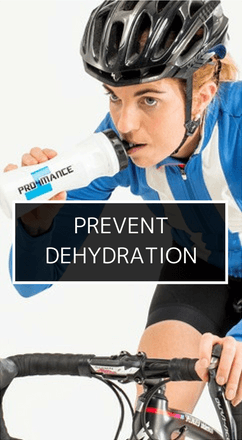
Are you struggling to keep hydrated during intense workouts or long runs? Dehydration can be a major setback for any athlete, causing fatigue, cramps, and poor performance. Thankfully, there are simple ways to prevent dehydration and ensure that you're performing at your best.
Dehydration Prevention Tips
1. Start Hydrating Early
It's important to start hydrating well before your workout or race begins. In the days leading up to your event, drink plenty of water and electrolyte-rich fluids to ensure that you're starting your workout fully hydrated.
2. Drink During Your Workout
Don't wait until you're thirsty to start drinking fluids. Take regular sips of water or an electrolyte drink throughout your workout to ensure that you're maintaining hydration levels.
3. Use Electrolyte Supplements
Electrolytes play a key role in hydration, as they help your body to absorb fluids more effectively. Consider taking supplements or drinking drinks that contain added electrolytes to help prevent dehydration.
4. Monitor Your Urine
Your urine is a great indicator of your hydration levels. Make sure that your urine is a pale, straw-like color throughout your workout. If it's dark or cloudy, you may need to increase your fluid intake.
5. Avoid Caffeine and Alcohol
Caffeine and alcohol can both dehydrate your body, so it's best to avoid them before and during your workout. Stick to water and electrolyte-rich drinks to ensure that you're staying hydrated.
6. Wear Breathable Clothing
Your clothing can also affect your hydration levels. Wear lightweight, breathable clothing that allows your skin to breathe and sweat to evaporate. This will help you to stay cool and prevent excessive sweating.
7. Pace Yourself
If you're struggling to hydrate during your workout, it may be because you're pushing yourself too hard. Spread your workout over a longer period of time to give your body a chance to absorb fluids and electrolytes more effectively.
Dehydration Prevention Details
When you're working out, it's important to understand how dehydration affects your body and what you can do to prevent it. Understanding the symptoms and causes of dehydration can help you to recognize when you're at risk and take action to stay hydrated.
Symptoms of Dehydration
The symptoms of dehydration can vary from person to person, but they typically include:
- Thirst
- Dry mouth and throat
- Fatigue
- Weakness
- Dizziness or lightheadedness
- Headache
- Muscle cramps
- Dark urine
If you experience any of these symptoms during your workout, it's important to take action immediately to rehydrate and prevent further dehydration.
Causes of Dehydration
Dehydration can occur for a number of reasons, including:
- Excessive sweating
- Inadequate fluid intake
- High temperatures and humidity levels
- Poor nutrition
- Illness or hormonal imbalances
Understanding these causes can help you to avoid dehydration and keep your body performing at its best.
Dehydration Prevention FAQs
Q: How much water should I drink before and during my workout?
A: The amount of water you should drink depends on a number of factors, including your body weight, the temperature and humidity levels, and the intensity of your workout. As a general rule, aim to drink between 16-20 ounces of water or an electrolyte drink 2-3 hours before your workout, and 6-10 ounces every 10-20 minutes during your workout.
Q: Can I drink too much water?
A: Yes, it is possible to drink too much water, which can lead to a condition called hyponatremia. This occurs when the concentration of sodium in your bloodstream becomes too diluted, which can lead to seizures, coma, and even death. To prevent hyponatremia, make sure that you're drinking an appropriate amount of water for your body weight and exercise intensity, and consider taking electrolyte supplements to help regulate your body's sodium levels.
Q: What electrolyte supplements are best for hydration?
A: There are many electrolyte supplements on the market that can help to prevent dehydration and improve performance. Look for drinks or supplements that contain sodium, potassium, magnesium, and calcium, as these minerals play a key role in hydration and fluid balance.
Q: Should I eat before or during my workout to prevent dehydration?
A: Yes, it's important to maintain proper nutrition before and during your workout to ensure that your body has the fuel it needs to perform at its best. Consider eating foods that are high in electrolytes, such as bananas, sweet potatoes, and leafy greens. You can also take supplements or drink drinks that contain added electrolytes to help prevent dehydration and improve performance.
Q: How do I know if I'm fully hydrated?
A: You can check your hydration levels by monitoring your urine color and output. If your urine is a pale, straw-like color and you're urinating regularly throughout the day, you're likely fully hydrated. If your urine is dark or cloudy and you're urinating infrequently, you may need to increase your fluid intake to prevent dehydration.
By following these tips and taking the necessary precautions, you can prevent dehydration and ensure that you're performing at your best during intense workouts and races.


Post a Comment for "How To Prevent And Manage Exercise-induced Dehydration And Electrolyte Imbalances?"