What Is The Importance Of Proper Rest And Recovery For Muscle Growth?

Welcome to our comprehensive guide on how to maximize your rest and recovery for top performance. Whether you're a seasoned athlete or a beginner, rest and recovery is crucial to achieving your goals and improving your performance. However, knowing how to rest and recover effectively can be a challenge - that's where we come in.
In this guide, we'll take a deep dive into rest and recovery techniques, giving you the tools and knowledge you need to take your performance to the next level. Whether you're looking to build muscle, increase endurance, or improve your overall health and well-being, the tips and strategies we outline in this guide will help you get there faster and more effectively.
What is rest and recovery?
To put it simply, rest and recovery refer to the period of time after you have completed a workout or sporting activity. During this time, your body repairs and adapts to the physical stress you just put it through, allowing you to come back stronger and better prepared for your next challenge.
There are two types of rest and recovery - active and passive. Active recovery involves doing light activity, such as stretching or walking, to help facilitate blood flow and aid in the recovery process. Passive recovery, on the other hand, involves doing nothing at all, and is typically used for more intense workouts that require a longer recovery period.
Why is rest and recovery so important?
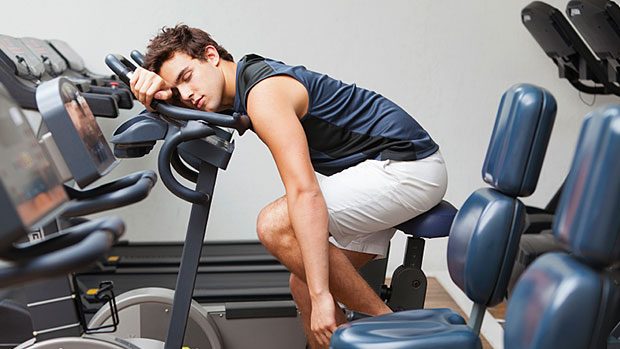
Rest and recovery are essential components of any training program or athletic endeavor. Without adequate rest and recovery, your body can become fatigued, overtrained, and prone to injury. By taking the time to properly rest and recover, you'll be able to optimize your performance, avoid injury, and achieve your goals more quickly and efficiently.
How to optimize your rest and recovery
Now that you understand why rest and recovery are so important, let's take a look at some of the best ways to optimize your rest and recovery process.
1. Get plenty of sleep
Sleep is one of the most important components of rest and recovery. During sleep, your body releases growth hormones that help repair and build muscle tissue, as well as regulate metabolism and energy levels. Without enough sleep, you'll be more prone to injury, fatigue, and poor performance. Aim for 7-9 hours of sleep per night, and prioritize quality rest by creating a relaxing sleep environment and avoiding screens before bed.
2. Eat a balanced diet
Eating a balanced diet is crucial for rest and recovery, as it provides your body with the nutrients and fuel it needs to repair and rebuild. Focus on eating whole foods, including protein, complex carbohydrates, healthy fats, and plenty of fruits and vegetables. Avoid highly processed foods and sugar, which can cause inflammation and disrupt your body's natural recovery processes.
3. Stay hydrated
Drinking plenty of water is essential for rest and recovery, as it helps flush out toxins, regulate body temperature, and keep your muscles and joints lubricated. Aim for at least 8 glasses of water per day, and consider adding electrolytes or sports drinks for more intense workouts or activities.
4. Take rest days
Taking rest days is crucial for rest and recovery, as it allows your body to recover from the stress of exercise and prepare for your next workout or activity. Aim for at least 1-2 rest days per week, and prioritize active recovery on these days by doing light stretching, yoga, or walking.
5. Incorporate massage or foam rolling
Massage or foam rolling can be incredibly effective for rest and recovery, as it helps stimulate blood flow, reduce inflammation, and release tension in your muscles. Consider incorporating foam rolling or massage into your routine once or twice a week, and focus on any areas that are particularly sore or tight.
6. Use ice or heat therapy
Ice or heat therapy can be beneficial for rest and recovery, particularly in the case of injuries or soreness. Ice therapy can help reduce inflammation and swelling, while heat therapy can help increase blood flow and relax muscles. Consider alternating between ice and heat therapy, or consult with a physical therapist or healthcare professional for personalized advice.
7. Practice relaxation techniques
Relaxation techniques can be incredibly helpful for rest and recovery, as they help reduce stress and promote relaxation. Consider incorporating meditation, yoga, or deep breathing exercises into your routine, and prioritize relaxation as part of your rest and recovery process.
8. Listen to your body
Finally, it's crucial to listen to your body when it comes to rest and recovery. If you're feeling particularly fatigued or sore, take an extra rest day or adjust your workout intensity accordingly. Pushing through pain or exhaustion can lead to injury and setbacks, so prioritize rest and recovery as part of your overall training process.
FAQs
Q: How long does it take to recover from a workout?
A: The length of time it takes to recover from a workout depends on a variety of factors, including the intensity of the workout, your fitness level, and your overall health. Generally, it takes at least 24-48 hours for your muscles to recover from a workout, but more intense workouts may require several days of rest and recovery.
Q: Should I always take a rest day?
A: Yes! Rest days are essential for rest and recovery, as they allow your muscles to recover from the stress of exercise and prepare for your next workout. Aim for at least 1-2 rest days per week, and prioritize active recovery on these days by doing light stretching, yoga, or walking.
Q: What should I eat after a workout for rest and recovery?
A: Eating a balanced meal that includes protein and complex carbohydrates is crucial for rest and recovery after a workout. Some good options include chicken or fish with brown rice and vegetables, a sweet potato and egg scramble, or a smoothie with Greek yogurt, banana, and spinach.
Q: Should I stretch before or after a workout?
A: Both! Stretching before a workout can help warm up your muscles and prevent injury, while stretching after a workout can help reduce soreness and improve flexibility. Be sure to include both dynamic and static stretching in your routine for optimal results.
Conclusion
Rest and recovery are essential components of any training program or athletic endeavor. By taking the time to properly rest and recover, you'll be able to optimize your performance, avoid injury, and achieve your goals more quickly and efficiently. Use the tips and strategies outlined in this guide to optimize your rest and recovery process, and prioritize rest and recovery as part of your overall training routine.

Post a Comment for "What Is The Importance Of Proper Rest And Recovery For Muscle Growth?"