What Is The Role Of Rest And Recovery In Preventing Overtraining And Burnout?
A common issue that athletes face is overtraining. The urge to push oneself further, train harder and longer, can lead to burnout, injuries, and poor performance. This phenomenon is known as the Overtraining Syndrome and can affect professional athletes as well as those training for a marathon, triathlon or any other competitive sport. In this post, we will discuss the ways to overcome this syndrome and keep your performance at its peak.
What is the Overtraining Syndrome?
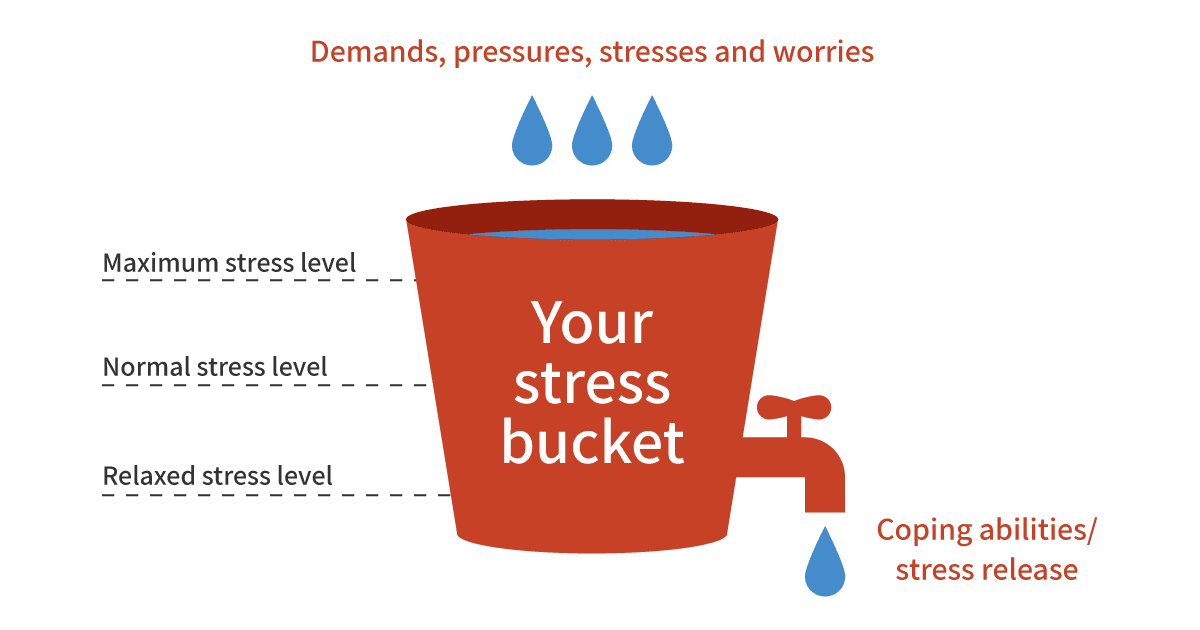
The Overtraining Syndrome is a physical and physiological condition that occurs when an individual's body is subjected to excessive exercise without adequate rest and recovery. The syndrome results in a multitude of symptoms, including fatigue, mood swings, loss of appetite, decreased performance, and an increased risk of injuries. The root cause of the Overtraining Syndrome is the accumulation of stress on the body that exceeds its ability to adapt and recover.
What are the Symptoms of the Overtraining Syndrome?
The Overtraining Syndrome can cause a wide range of symptoms, including:
- Chronic fatigue
- Insomnia
- Loss of appetite
- Muscle soreness and weakness
- Mood swings and irritability
- Increased susceptibility to colds and infections
- Decreased performance and endurance
- Injuries, including stress fractures and muscle strains
How to Recover from the Overtraining Syndrome?
Recovering from the Overtraining Syndrome requires a combination of rest, nutrition, and a careful exercise regimen that allows the body to recover fully. Here are some tips that can help with recovery:
1. Take a Break:
The first step in overcoming the Overtraining Syndrome is to take a break from exercise. This can be anything from a few days to several weeks, depending on the severity of the condition. During this time, focus on restorative activities like yoga or stretching, that can help in improving flexibility and reducing stress.
2. Adequate Sleep and Nutrition:
During the recovery phase, it is crucial to ensure that you are getting enough sleep and proper nutrition. Try to get eight hours of sleep every night and eat a healthy and balanced diet that includes plenty of whole foods, fruits, and vegetables.
3. Gradually Increase the Exercise Regimen:
Once you have had enough rest and recovery, it's time to start exercising again gradually. Avoid high-intensity exercises and incorporate low-impact activities like cycling or swimming. Use the RPE (Rate of Perceived Exertion) scale to monitor your exercise intensity and avoid pushing yourself too hard.
4. Consult a Professional:
Consulting a professional, such as a sports therapist or a trainer who specializes in recovery, can also help you overcome the Overtraining Syndrome. They can devise a workout plan that is tailored to your body's needs and help you avoid setbacks and injuries.
Tips to Prevent the Overtraining Syndrome:
Prevention is better than cure, and the same holds true for the Overtraining Syndrome. Here are some tips that can help prevent the syndrome:
1. Incorporate Rest Days into Your Workout Plan:
Ensure that you build rest days into your workout plan that lets your body rest and recover without any exercise.
2. Listen to Your Body:
Learn to pay attention to your body's signals and symptoms and recognize when it's time to stop or take a break.
3. Vary Your Workout:
Mix up your workout routine with different activities, so your body doesn't get too used to one type of activity.
4. Hydrate:
Ensure that you drink enough water to keep your body hydrated during exercise. Dehydration can lead to fatigue and other symptoms that can worsen the Overtraining Syndrome.
FAQs:
1. Can I still exercise with the Overtraining Syndrome?
If you are experiencing symptoms of the Overtraining Syndrome, it's best to take a break and rest instead of pushing through the symptoms. Continuing to exercise can prolong your recovery time and increase the risk of injuries.
2. How long does it take to recover from the Overtraining Syndrome?
The duration of recovery from the Overtraining Syndrome varies from person to person. It can take anywhere from a few days to several weeks or even months, depending on the severity of the syndrome.
3. How can I tell if I am overtraining?
If you are experiencing fatigue, chronic soreness, mood swings, poor sleep, and difficulty in getting motivated for workouts, you might be experiencing symptoms of the Overtraining Syndrome. It's best to take a break and rest if you suspect you might be overtraining.
In Conclusion:
The Overtraining Syndrome is a common issue among athletes and can lead to burnout, injuries, and poor performance. Recovery from the Overtraining Syndrome requires rest, adequate nutrition, and a gradual increase in exercise. Prevention is the best way to avoid the Overtraining Syndrome, and it's essential to listen to your body's signals, build rest days into your workout plan, and mix up your workout routine. Remember, it's better to rest and recover than to push through the symptoms and prolong your recovery time.


Post a Comment for "What Is The Role Of Rest And Recovery In Preventing Overtraining And Burnout?"